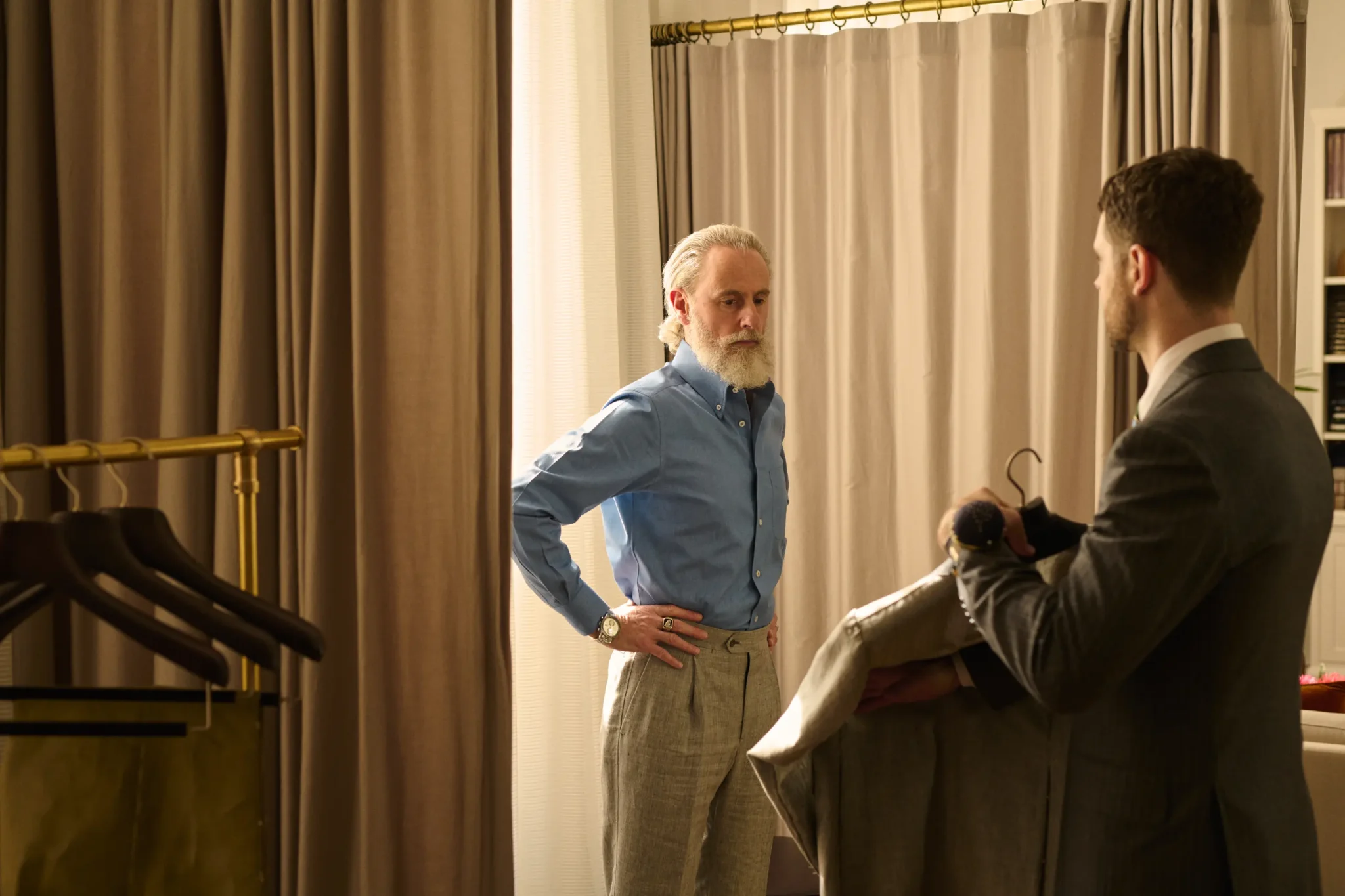
True bespoke tailoring exists in the space between what can be measured and what cannot. To effectively practise the craft, your tailor’s technical skills must be second nature, because the real art is the collaboration between artisan and client. This is what guides each commission to its successful realisation.
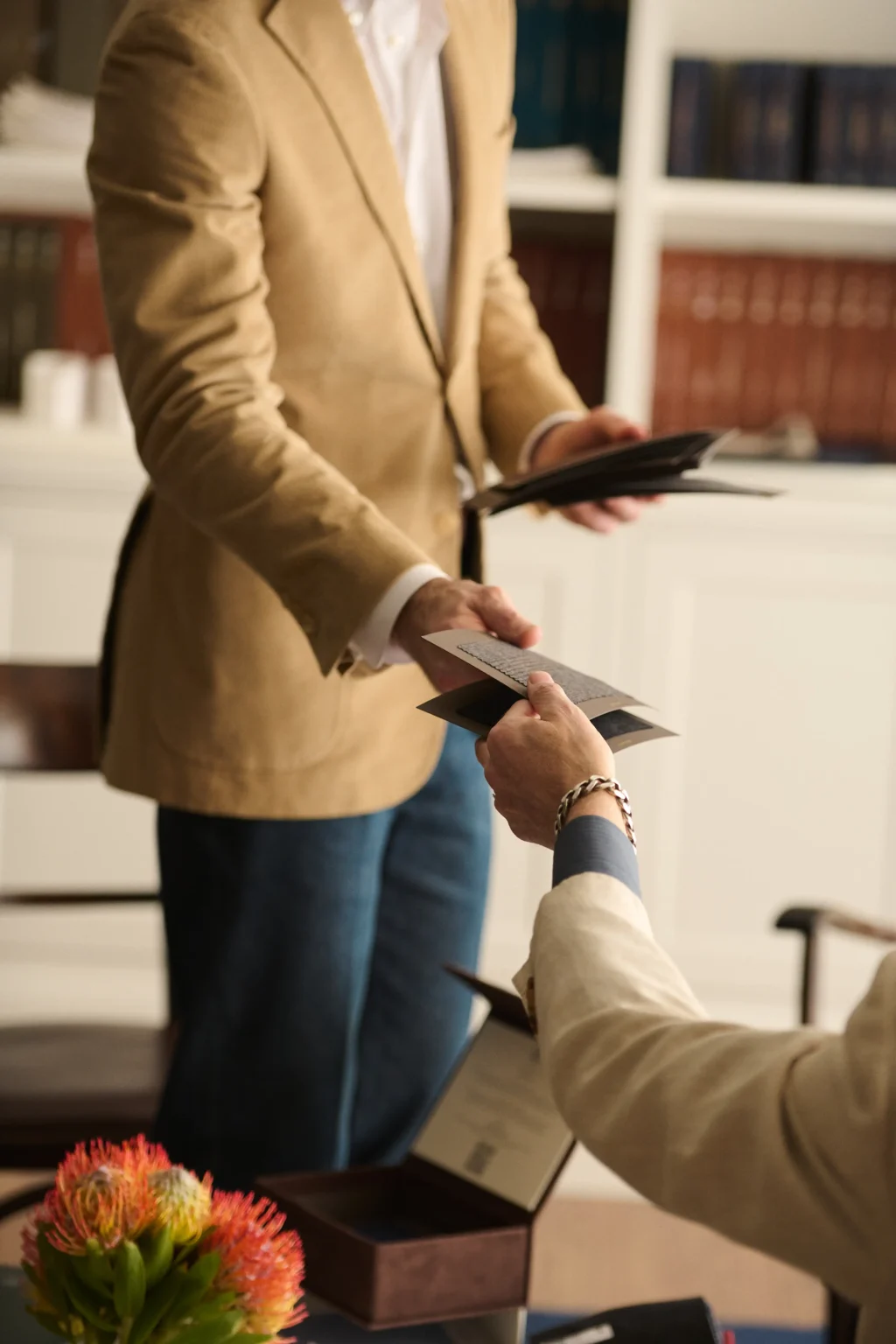
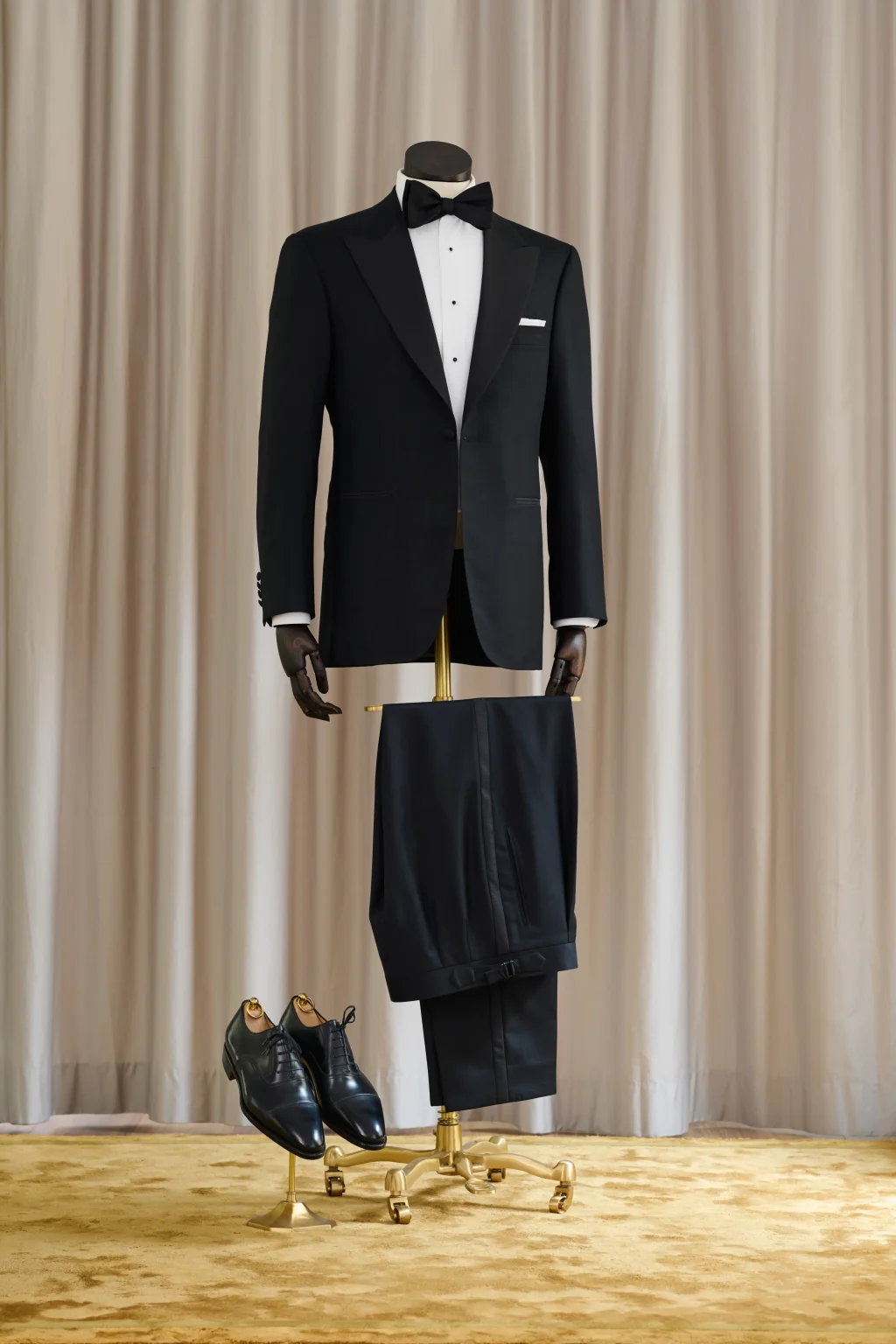
The word bespoke is used loosely today, often in a way designed to mislead. At J.H. Cutler, we have been practising what true bespoke demands since 1884.
We define bespoke to mean that the practitioner has total control over every aspect of the product. It sounds obvious, but in a market where it can be very difficult to see through the fog, it is worth stating.
While our bespoke process has changed little in over 140 years, much else has. Bespoke tailoring has evolved from being simply the way one got a suit, to becoming a rarefied experience, mysterious to most people, and easily misrepresented.
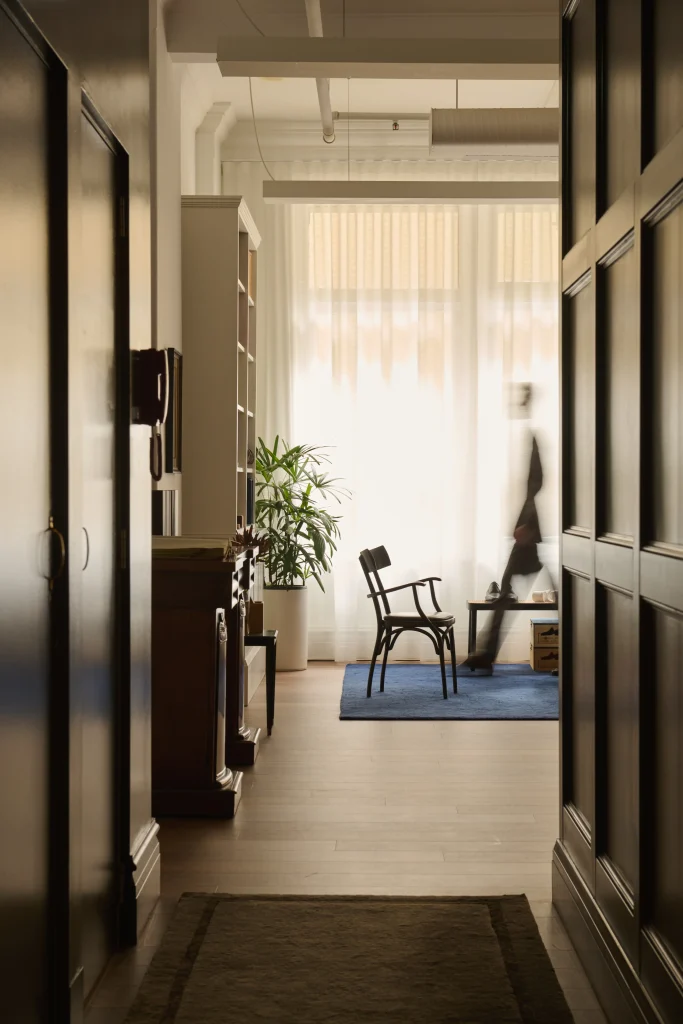
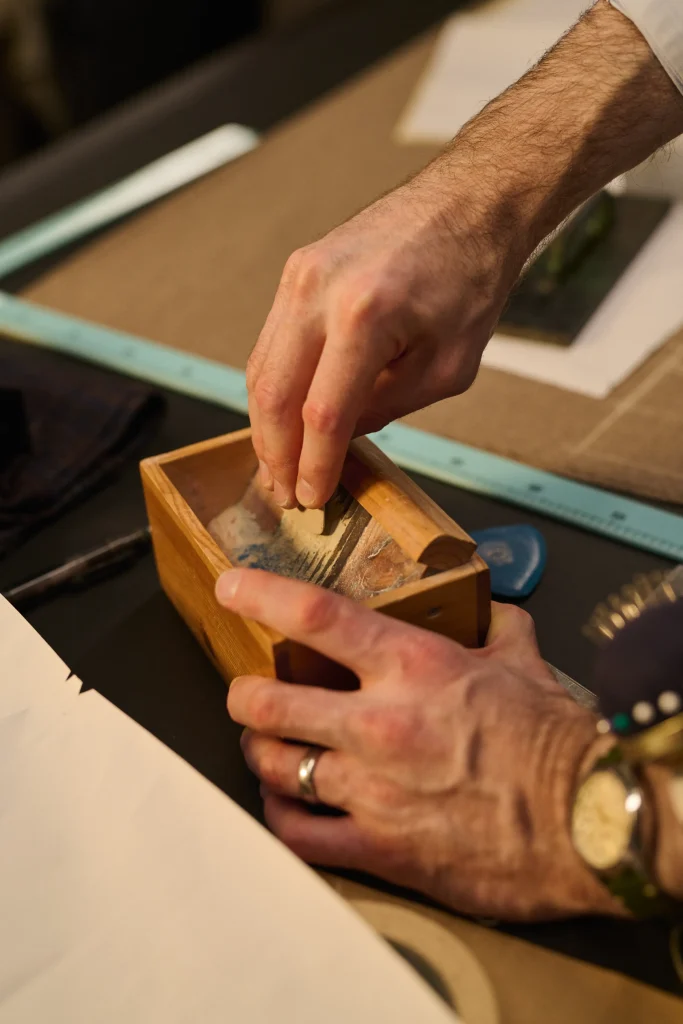
When Sam Hazelton relocated J.H. Cutler to its current home on Pitt Street in the heart of Sydney it was partly to fulfil his ambition of combining the workroom and showroom spaces into an atelier where the client could see and hear the craft in practice, because to show is more powerful than to tell.
You will experience the calm and quiet focus of this environment when you first meet with Sam, and at each fitting as your commission comes to life.
Every individual is unique, and so is every bespoke experience. Given the number of variables possible when making one-off garments to a set of unique requirements, the timeline can vary, but as a guide we usually require six months when making for a new client.
Orders for existing clients can be made with a shorter lead time.
The process requires your presence and engagement, a commitment that is yours as much as ours. Rather than being an inconvenience, this is the hallmark of a truly bespoke experience, and for those who embrace this commitment the reward is a garment that speaks clearly, precisely and with intention, for you.
The number of pure-bespoke garments we can produce each year is limited. For any commissions with a hard deadline, such as weddings, we recommend allowing as much time as possible.
Bespoke two-piece suits are priced from $13,000 AUD, jackets from $10,000 and trousers from $3,000. Pricing will vary depending on fabric selection and style.
By appointment only. Arrange your consultation here.
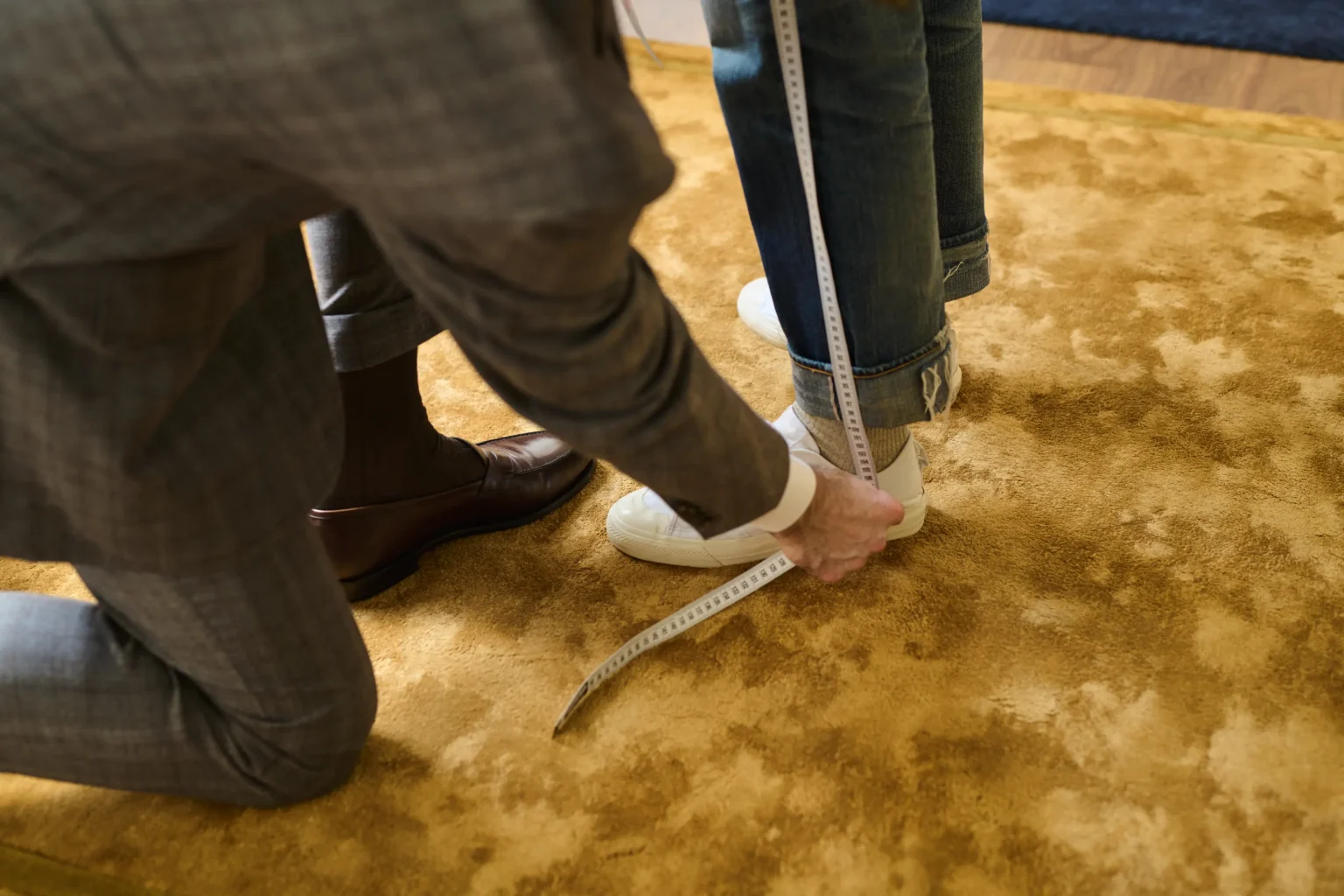
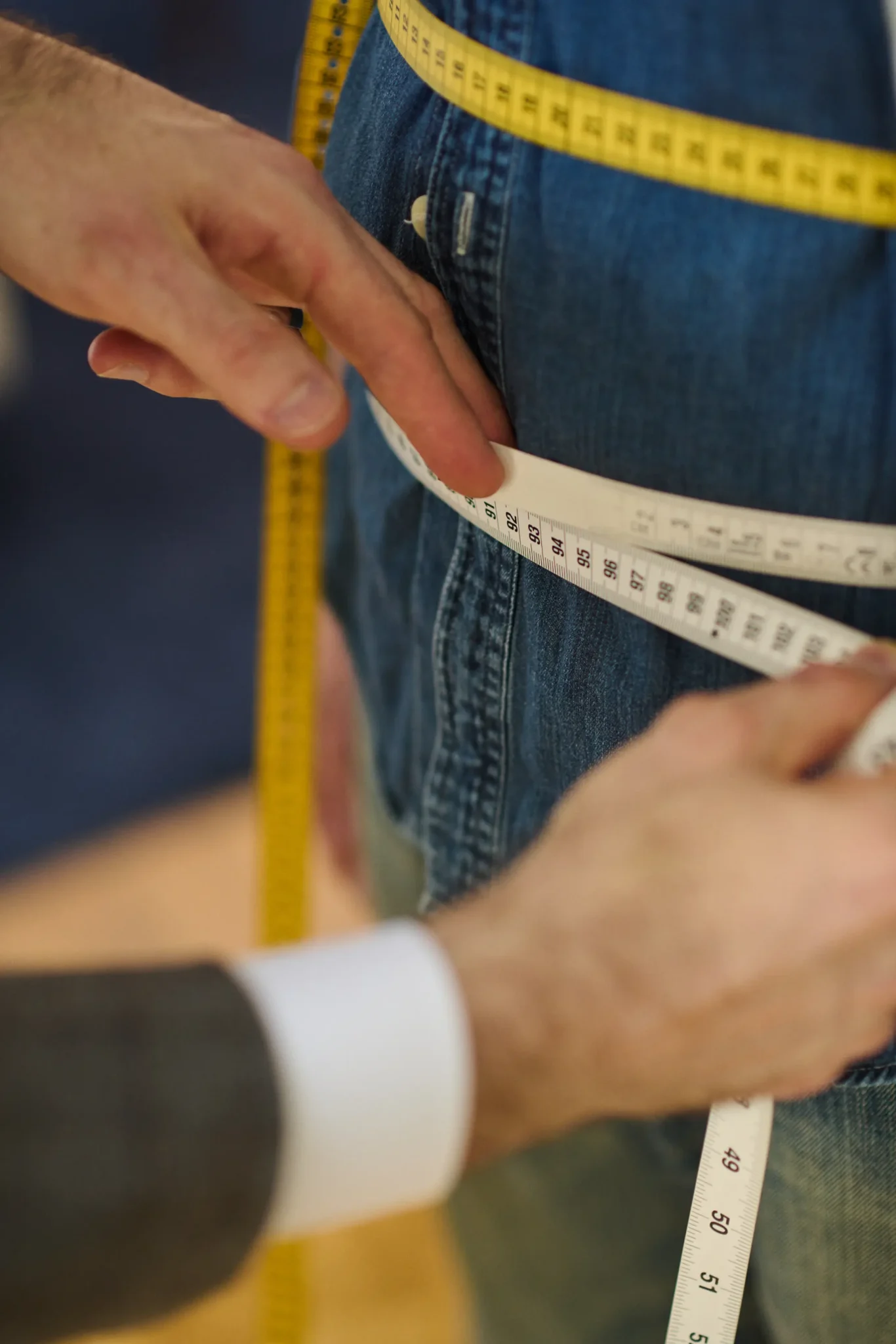
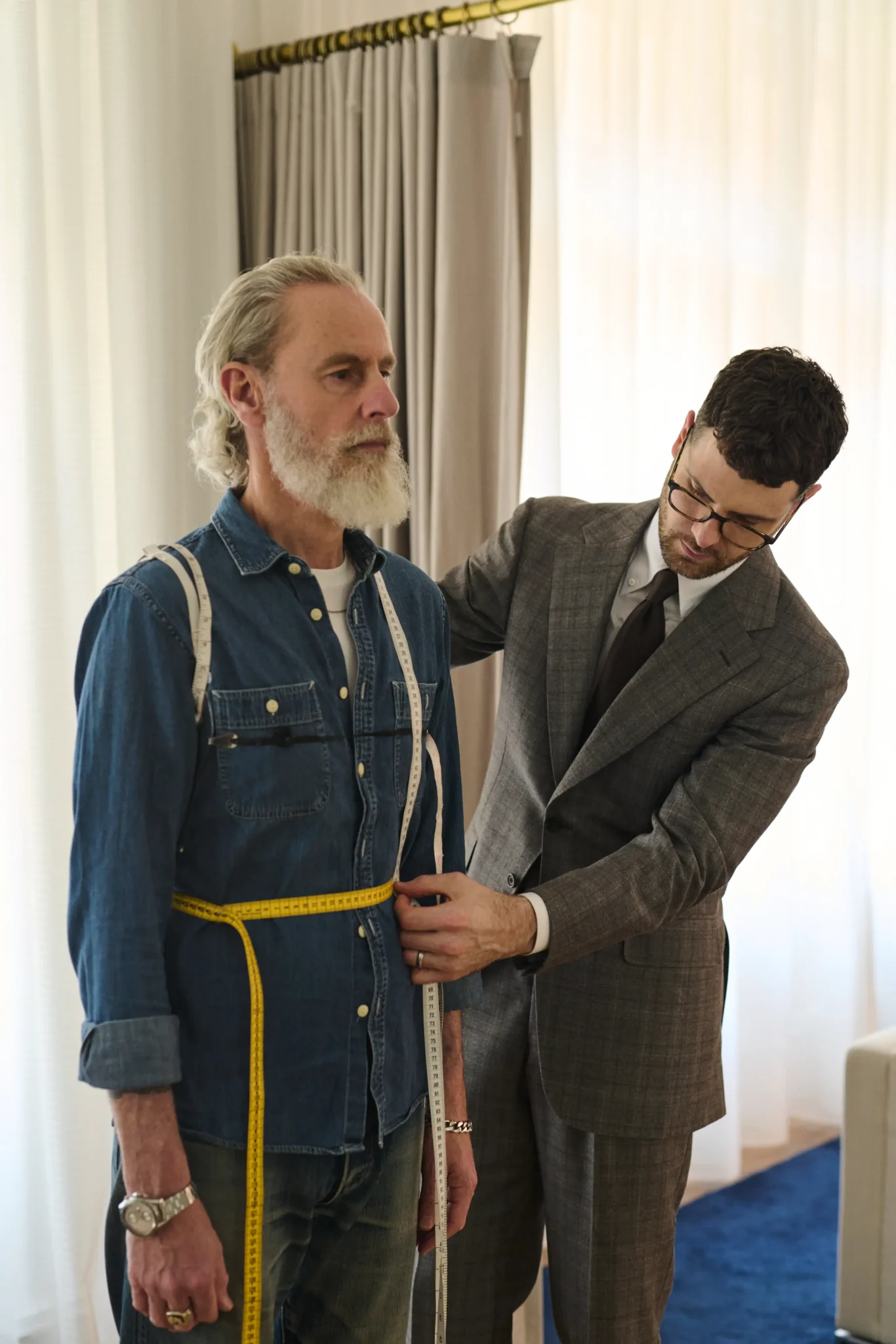
Your first appointment is usually the longest, requiring around an hour to select fabrics and set the direction of style and fit before being measured. The timeline will be discussed and key dates may be prearranged.
Once we understand the purpose of the items being commissioned and a little about you, we will help guide your selection of fabrics. This can sometimes be overwhelming given the breadth of available possibilities, but our years of experience help us make it an enjoyable stage, narrowing the focus by asking the right questions. We then take between thirty and forty measurements depending on the garments being commissioned and their style.
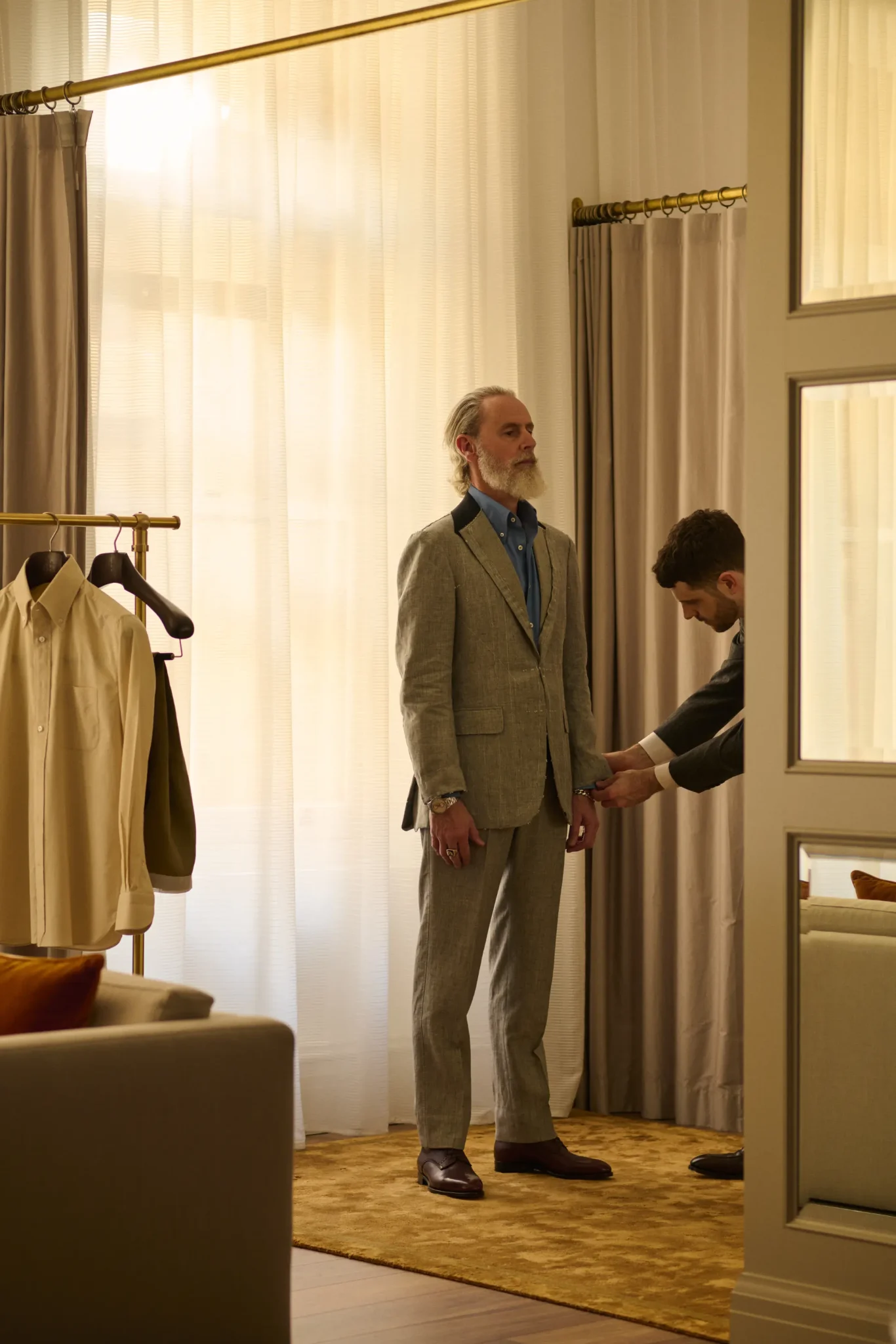
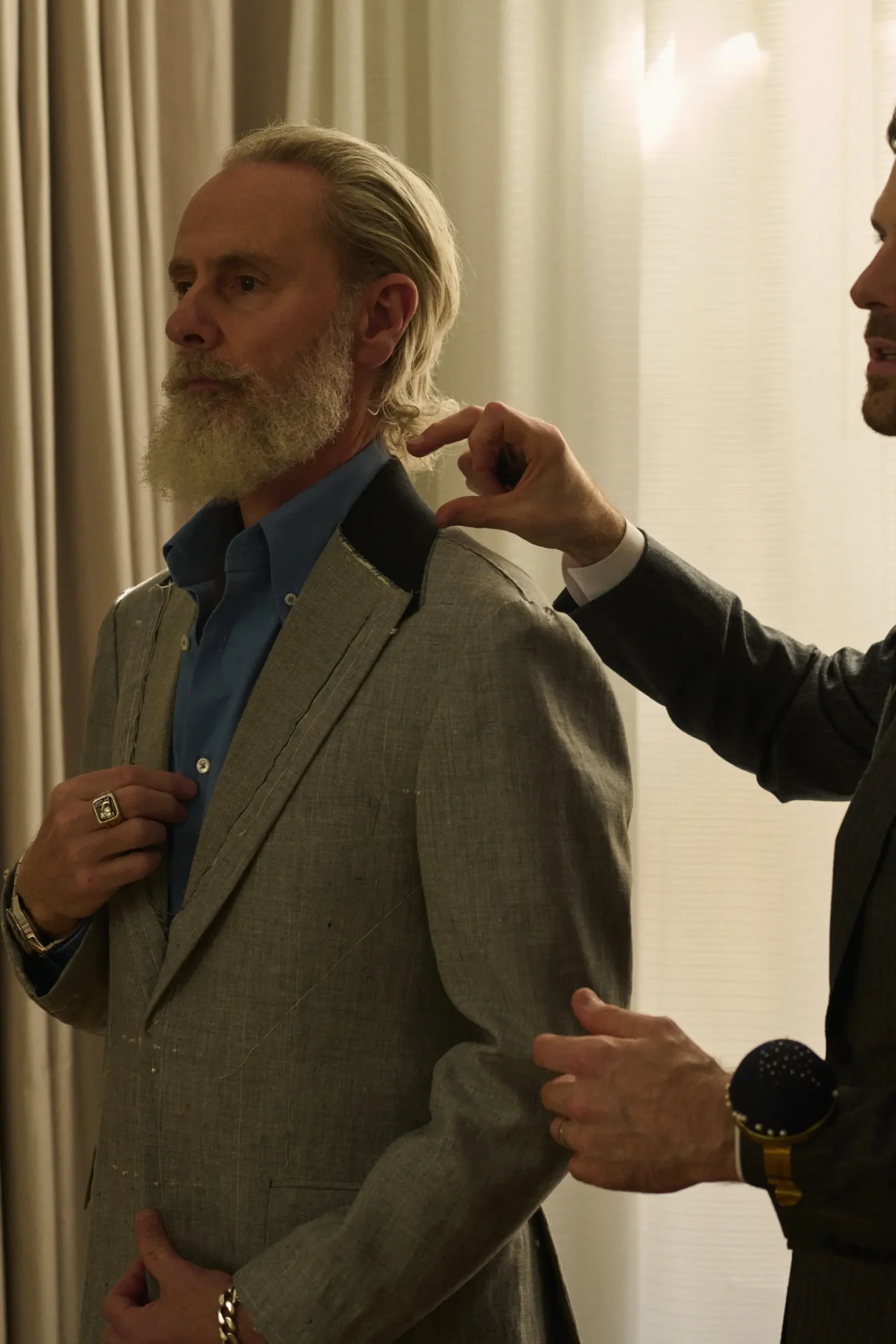
What follows is a series of fittings in our atelier, usually a minimum of three but ranging upward depending on the size and complexity of the order. Fittings will take 30 to 60 minutes and are usually spaced 4 to 6 weeks apart.



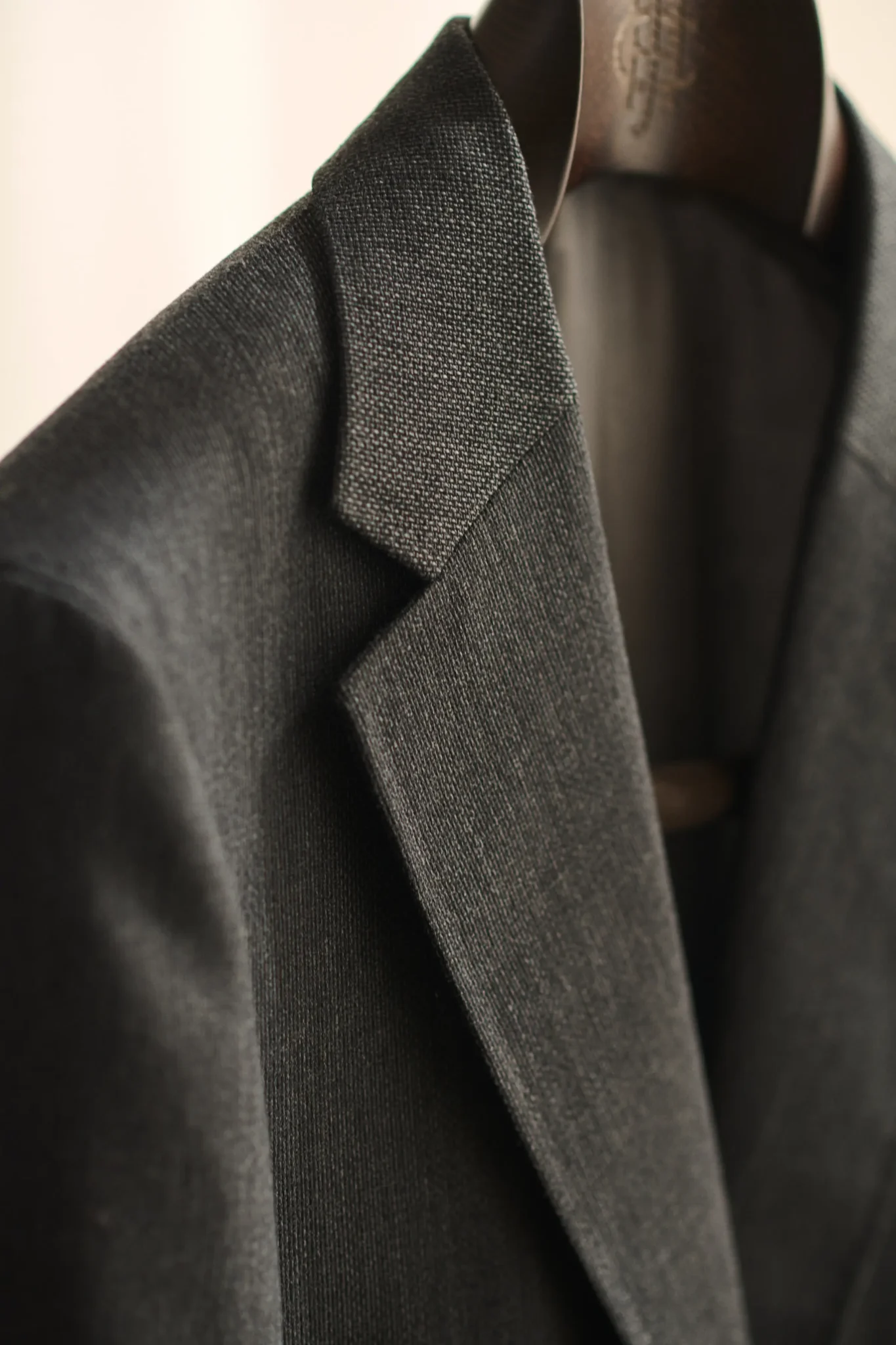
A bespoke jacket made in our Pitt Street Atelier involves around 60 hours of specialised craftsmanship. It is supported by a ‘floating’ hand-padded canvas down its full length, and is intricately finished by hand in over a dozen different areas, each requiring a specific technique. For more, see Our Craft page.
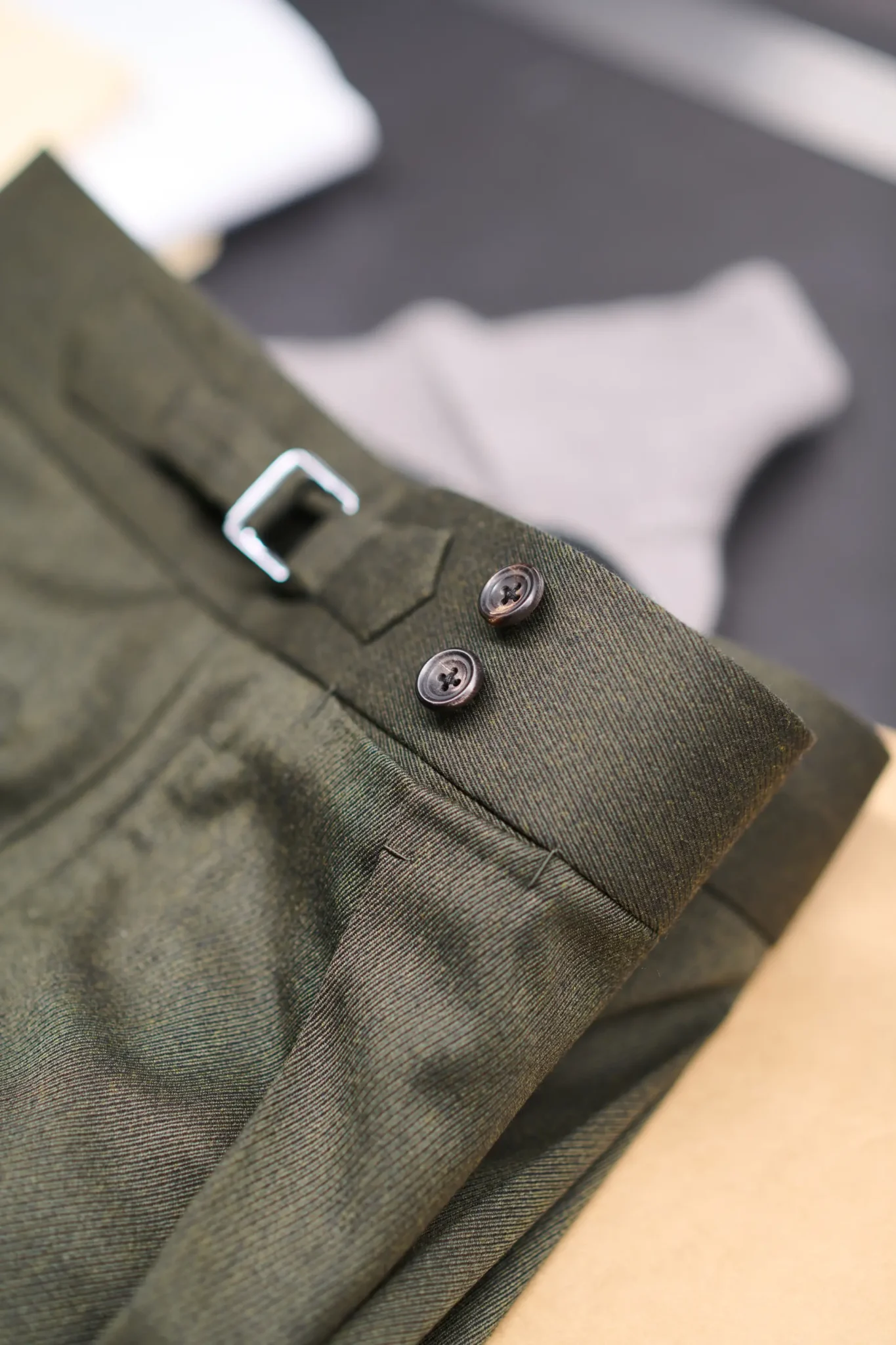
Our bespoke trousers take up to 20 hours to make depending on style. Hand-crafted alongside our jackets, they are regarded equally as an expression of the tailor’s craft. No detail is neglected, whether aesthetic or structural, and many of the same intricate finishing techniques used in our jackets are applied throughout.
I.
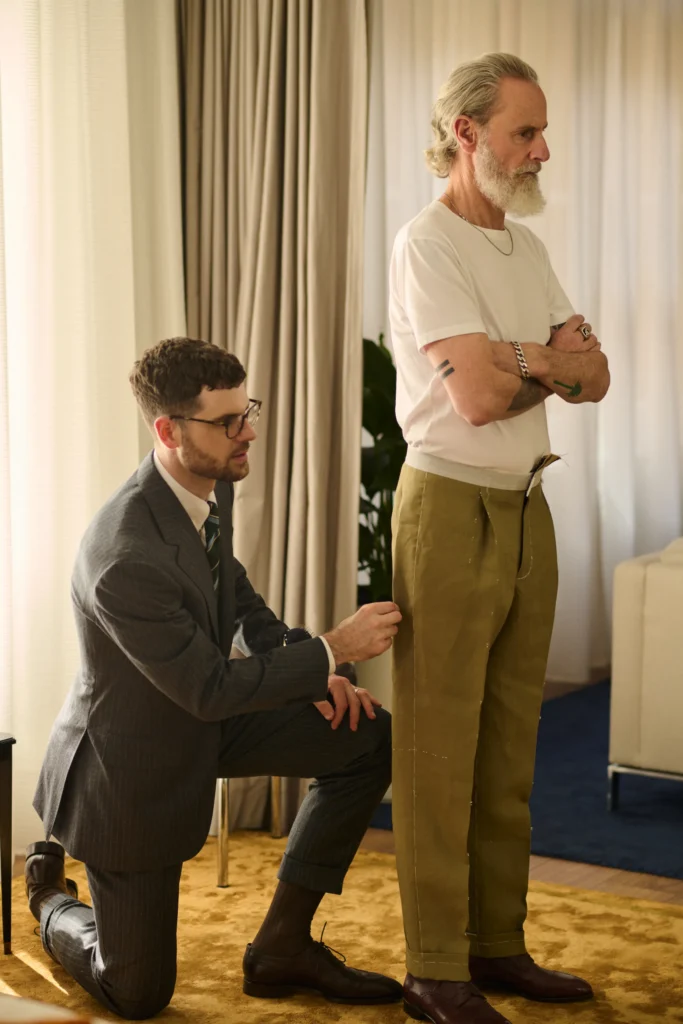
Your garments take shape across three distinct stages, followed by a final fitting. The first fitting, or ‘baste’, checks basic proportions and refines them where needed. The garments will resemble a shell.
II.
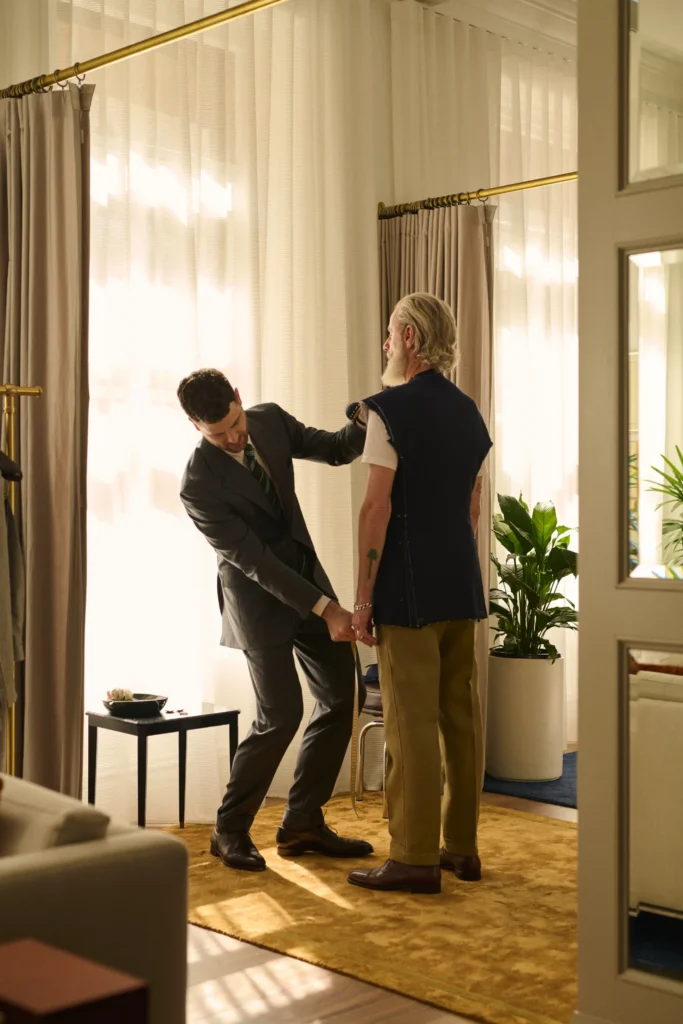
At the second fitting, or ‘pocket baste’, the garments begin to resemble their final silhouette, but key features such as lapel, collar and sleeve are yet to be resolved. Significant adjustments can still be made.
III.
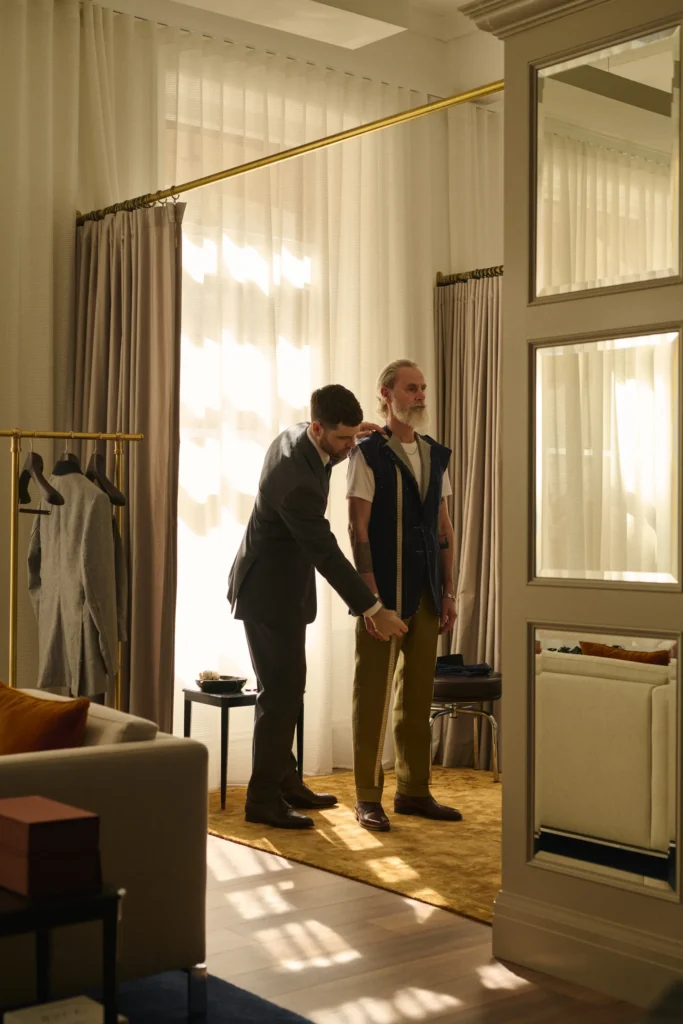
The shoulders will often be finished for the third, or ‘forward’ fitting. The lapels will be in place, and the jacket will look almost like a finished piece except for sleeves and collar.
IV.
The fourth fitting may be the point of completion, or a very advanced stage where small but important details like trouser length may be left unfinished for final assessment.
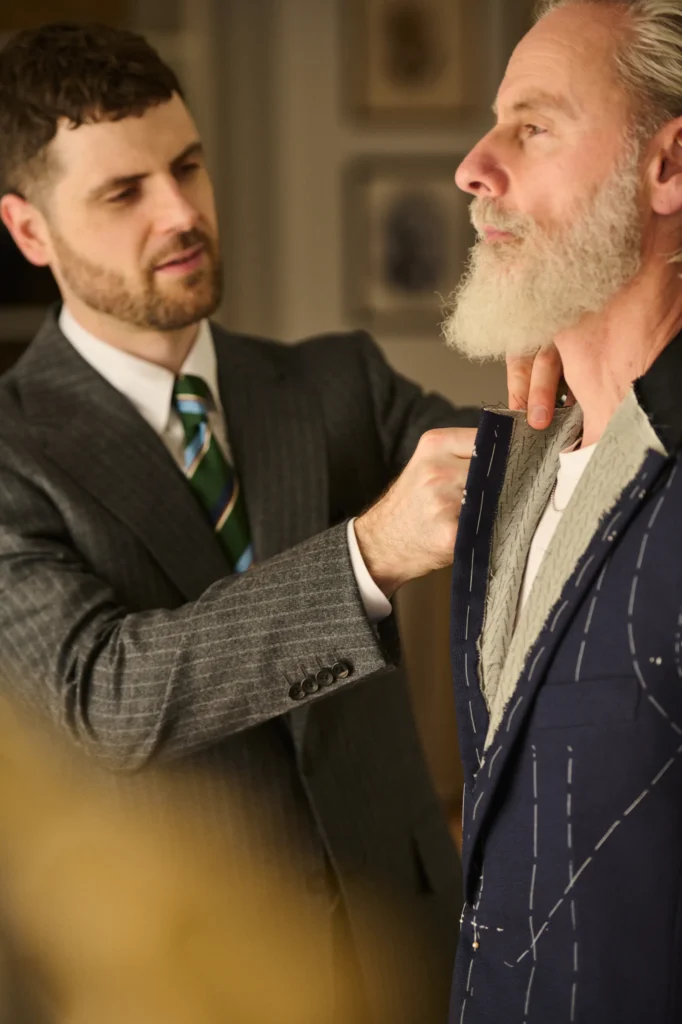
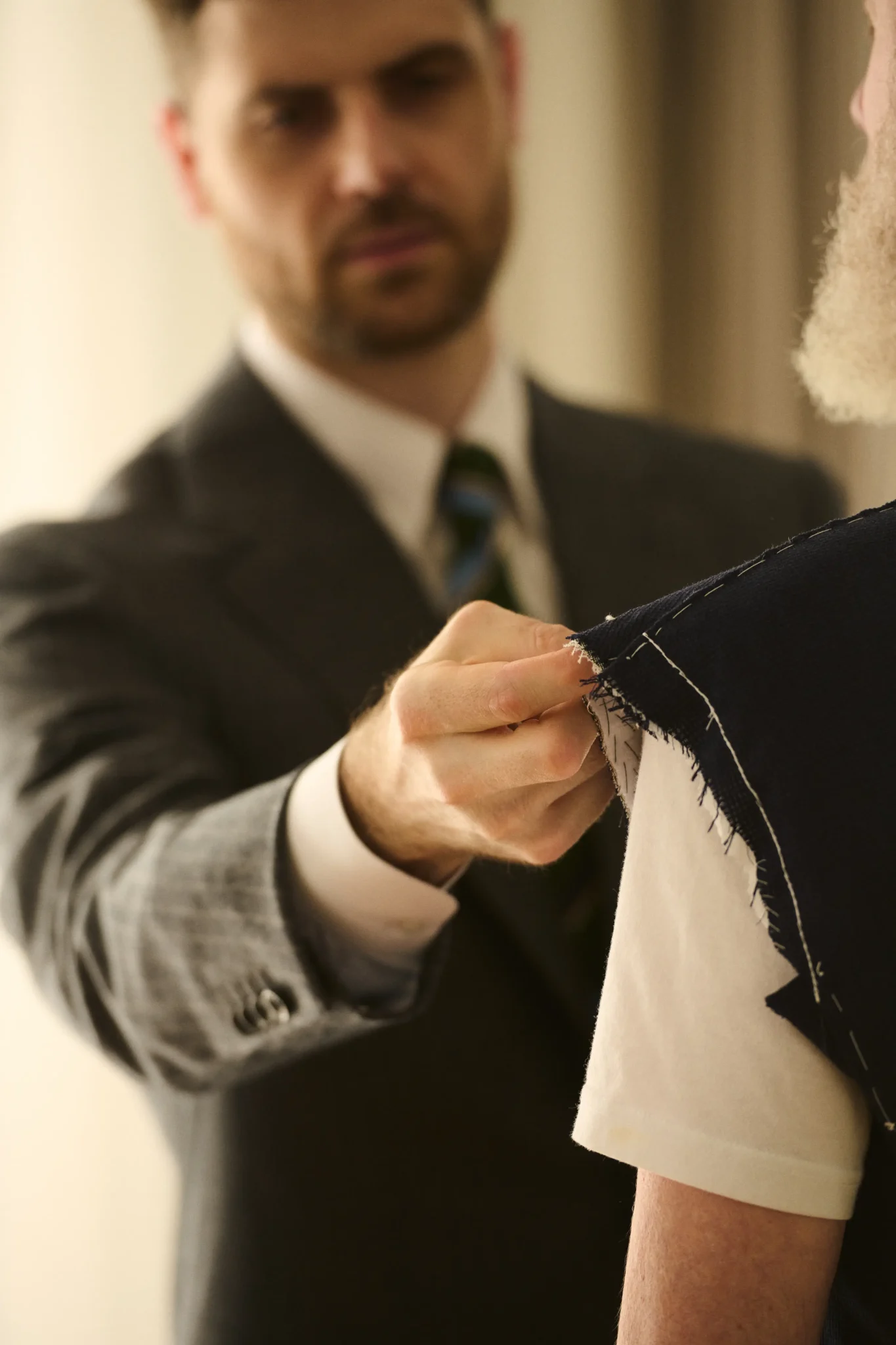
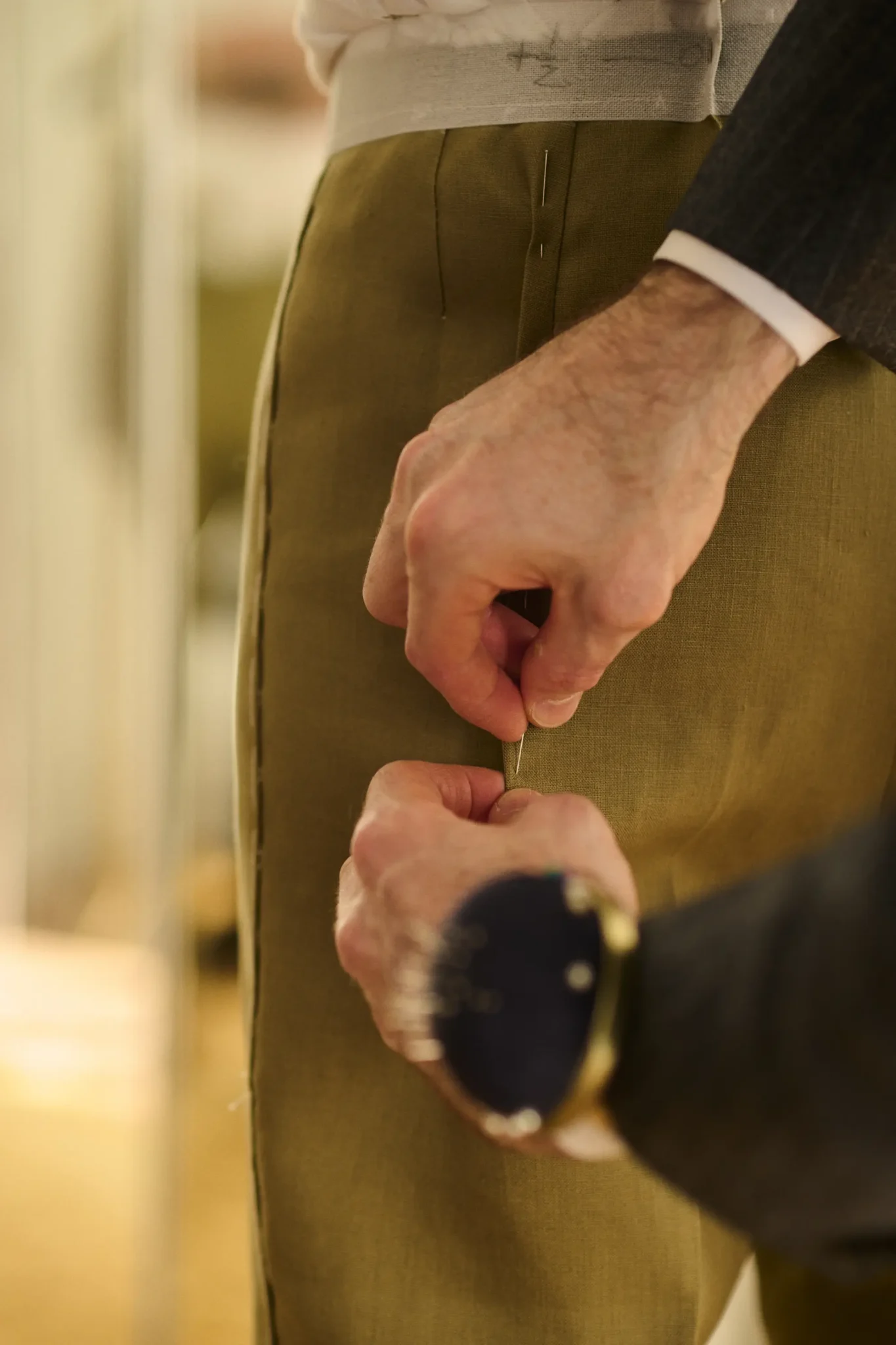
The structure and timeline of fittings can vary depending on many factors: the three stages outlined above are a guide to our traditional bespoke process and describe chapters of the garment’s construction. If necessary, one or more of these stages may be repeated before advancing. Therefore four or more actual fittings can take place. The goal is to achieve the optimum fit, and an accurate updated pattern that will allow future orders to be streamlined by reducing the number of fittings required.
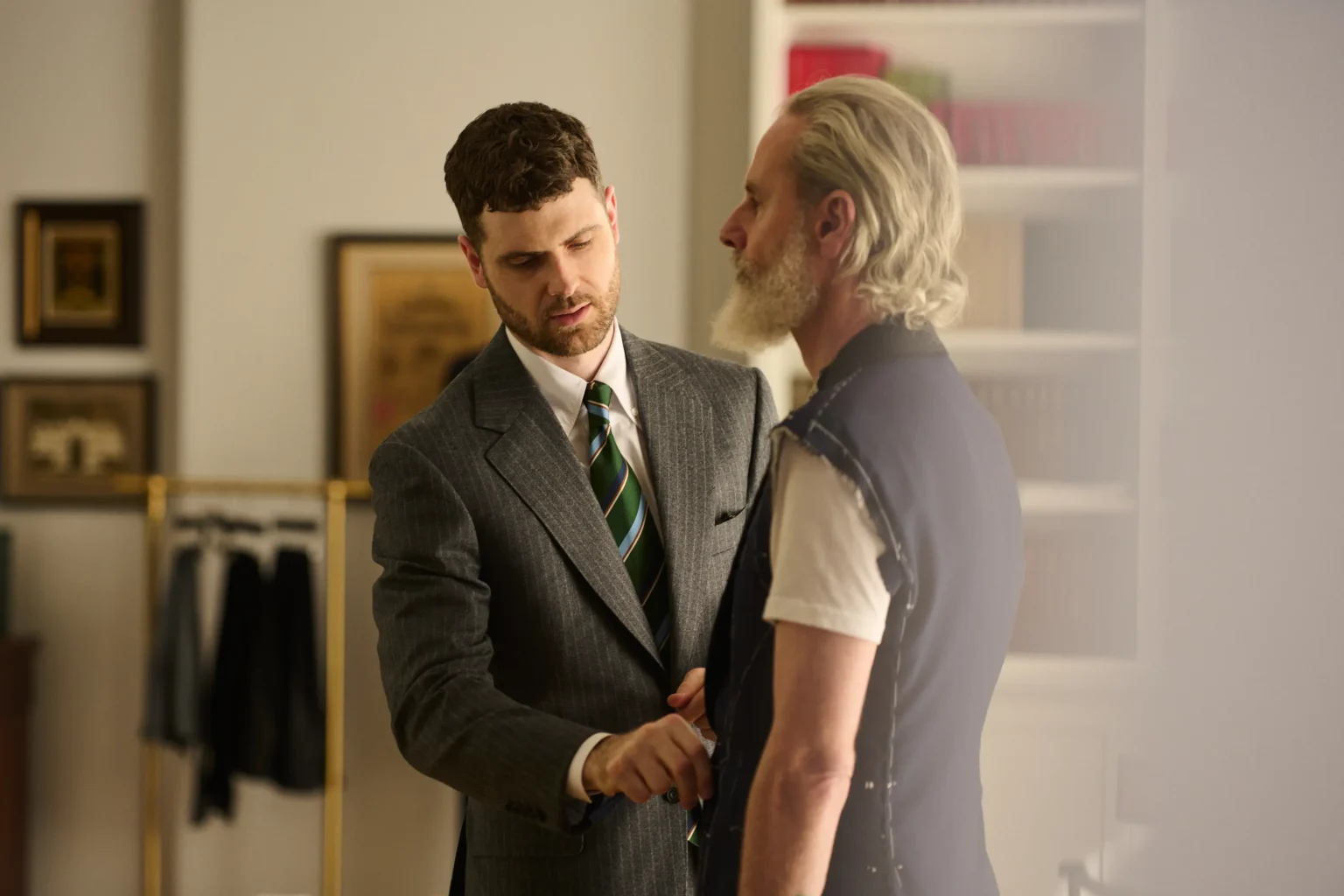
Fabric selection is critical and the choice is vast. To help narrow the focus we learn about your relationship with clothing early in the consultation. Do you feel the heat acutely, or the cold? Your colour, pattern and textural preferences. For seasonal, occasional or year-round use? This will establish the appropriate weight range of fabrics, and the weave structures that will serve you best.
Understanding the difference between weight, and the fineness or ‘super’ numbers of fabric is important and can be confusing. The fineness of a woollen tailoring fabric needs to be considered carefully in the context of the garment’s intended use. It will determine longevity, and the appearance of the pieces through its effect on their drape, and the recovery of the fabrics after they are worn.
Different compositions and blends of fibres used in weaving tailoring fabrics influence their performance and appearance, and dictate how the garments should be treated and cared for. How the tailor approaches the garment’s construction and fit will also be influenced by their knowledge of how certain compositions react to the heat of an iron, the fabric’s malleability, or its propensity to shrink.
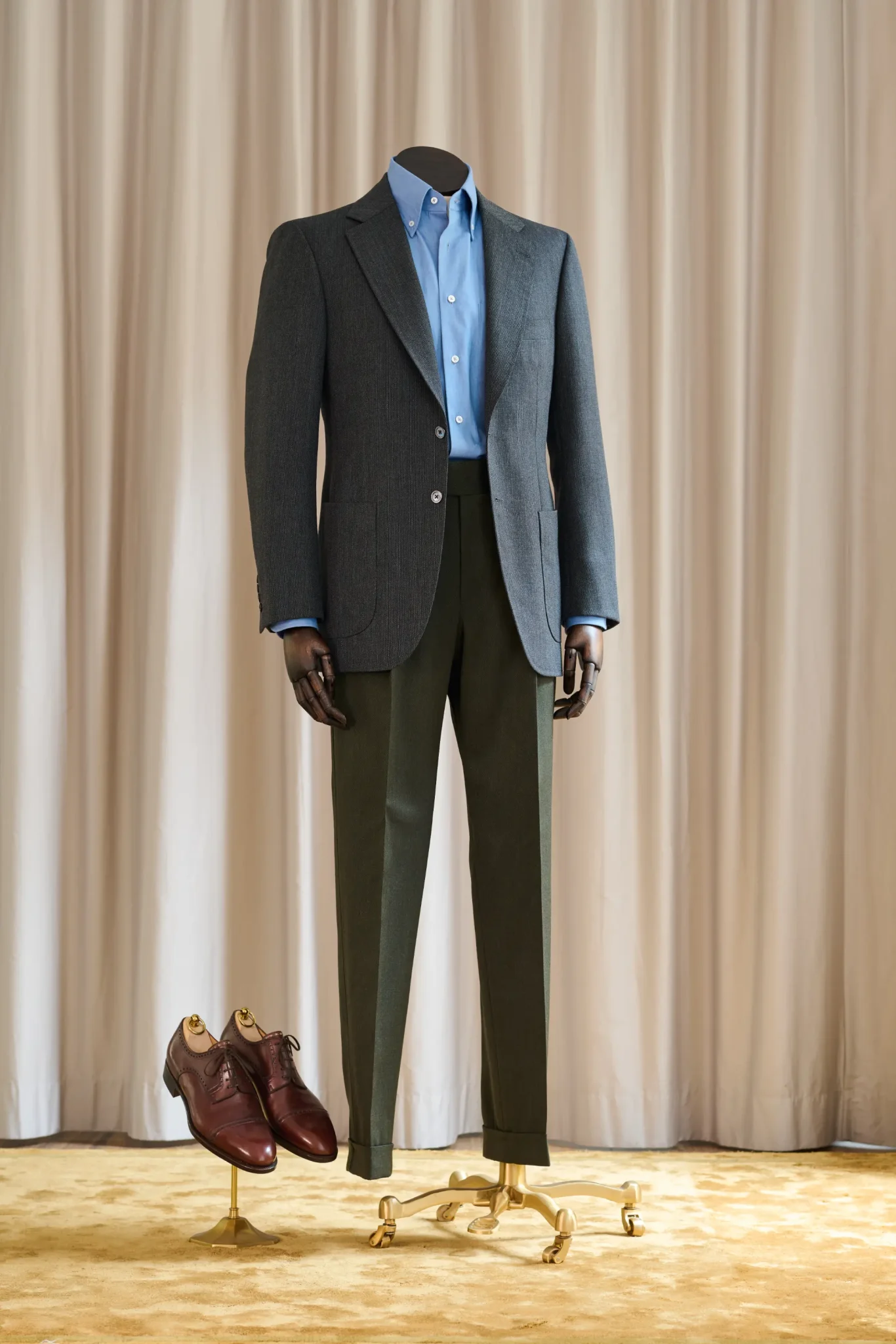
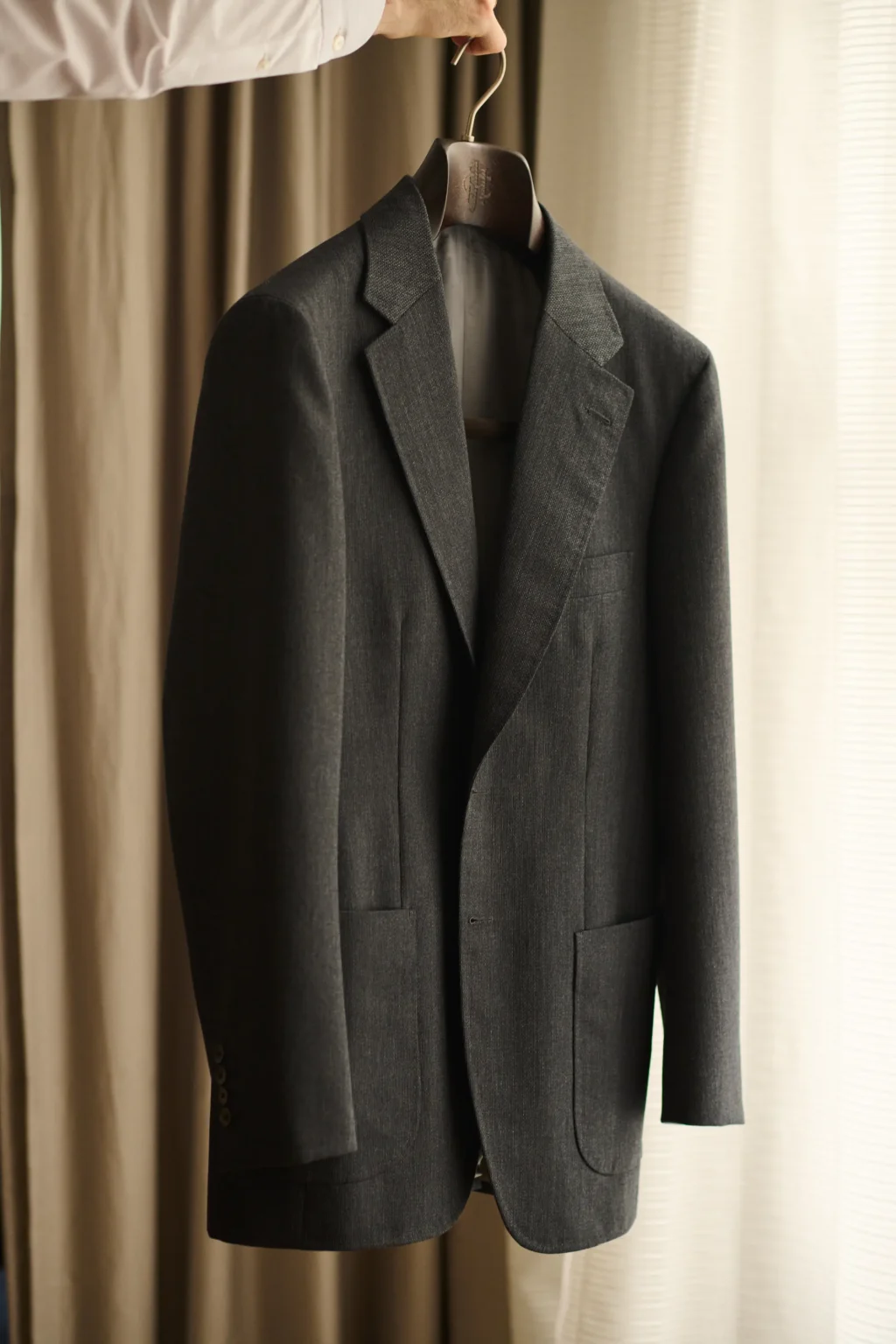
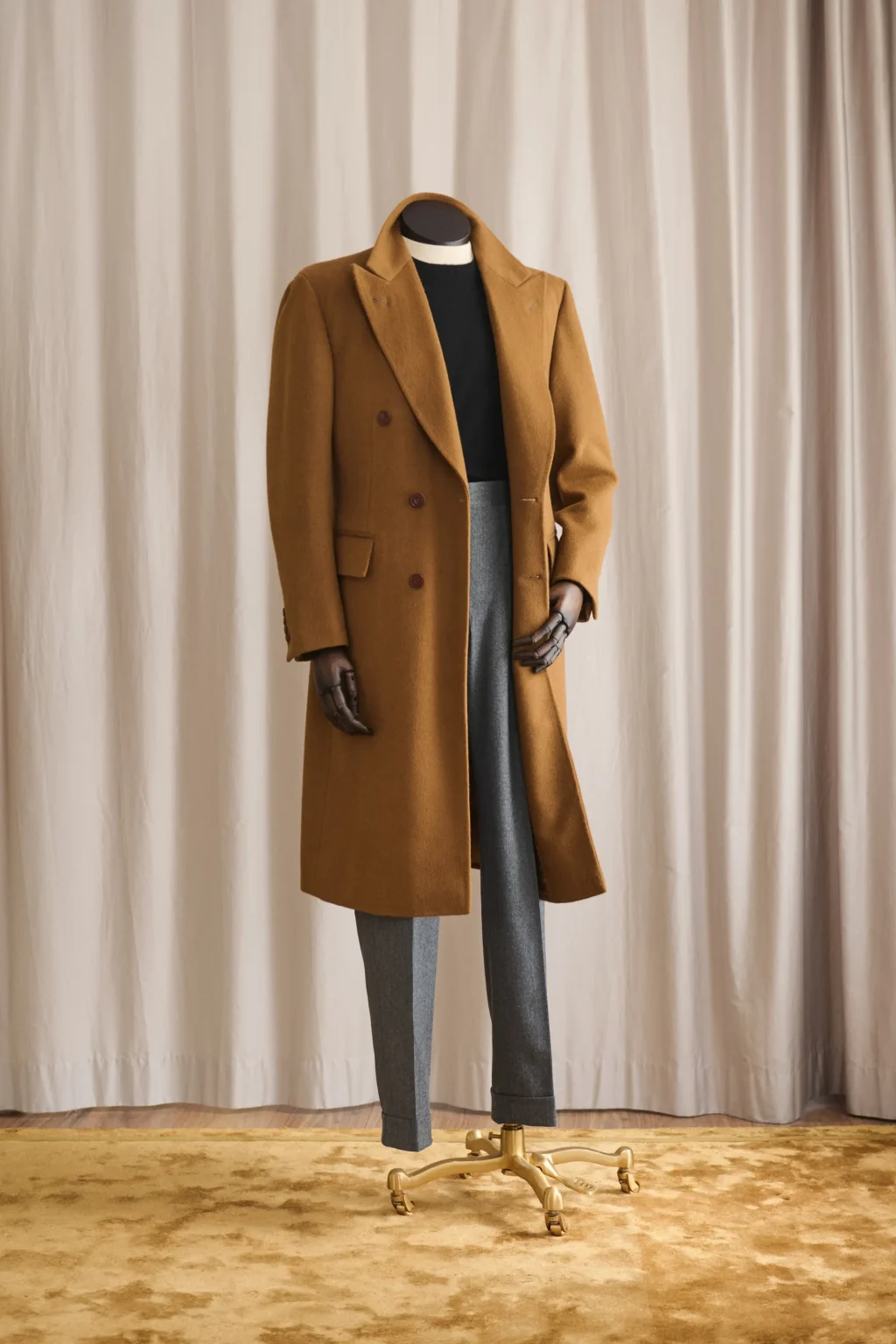
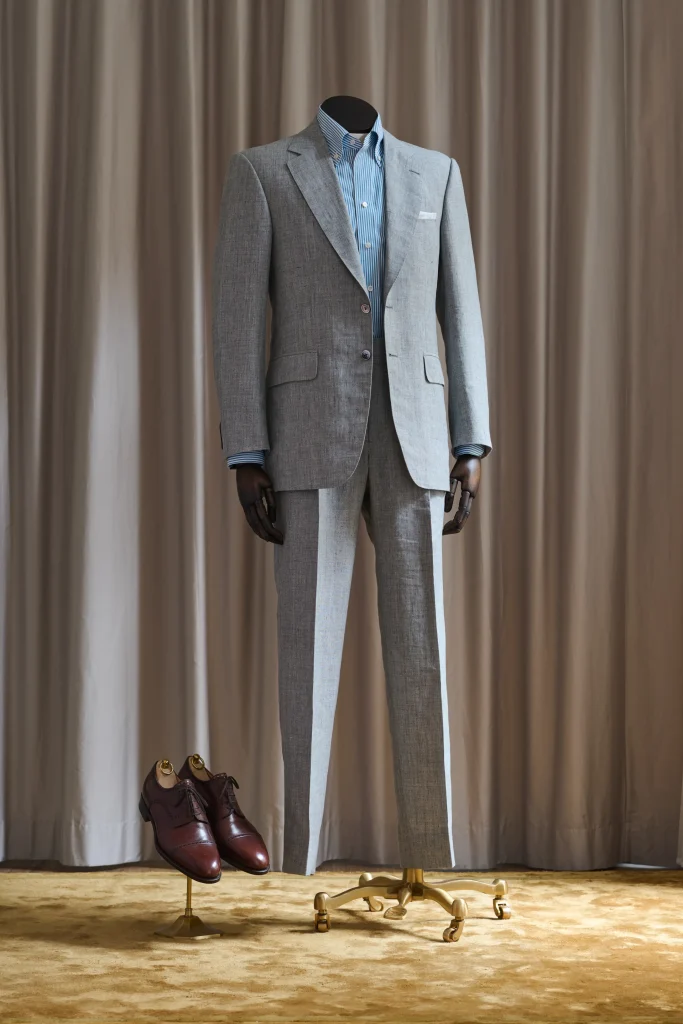
The J.H. Cutler house style is informed by classic Savile Row conventions of proportion and structure, but is adapted to a climate and culture that require a lighter approach, in both construction and attitude. As the clothing is crafted to endure, so is it cut not to date.
To achieve a confidently understated look requires a combination of precision and restraint. We do not seek distinction through drama, and no single feature of a J.H. Cutler garment will broadcast its origins. It will speak with measured self-assurance through a cleanly defined silhouette, and carefully moderated proportions.
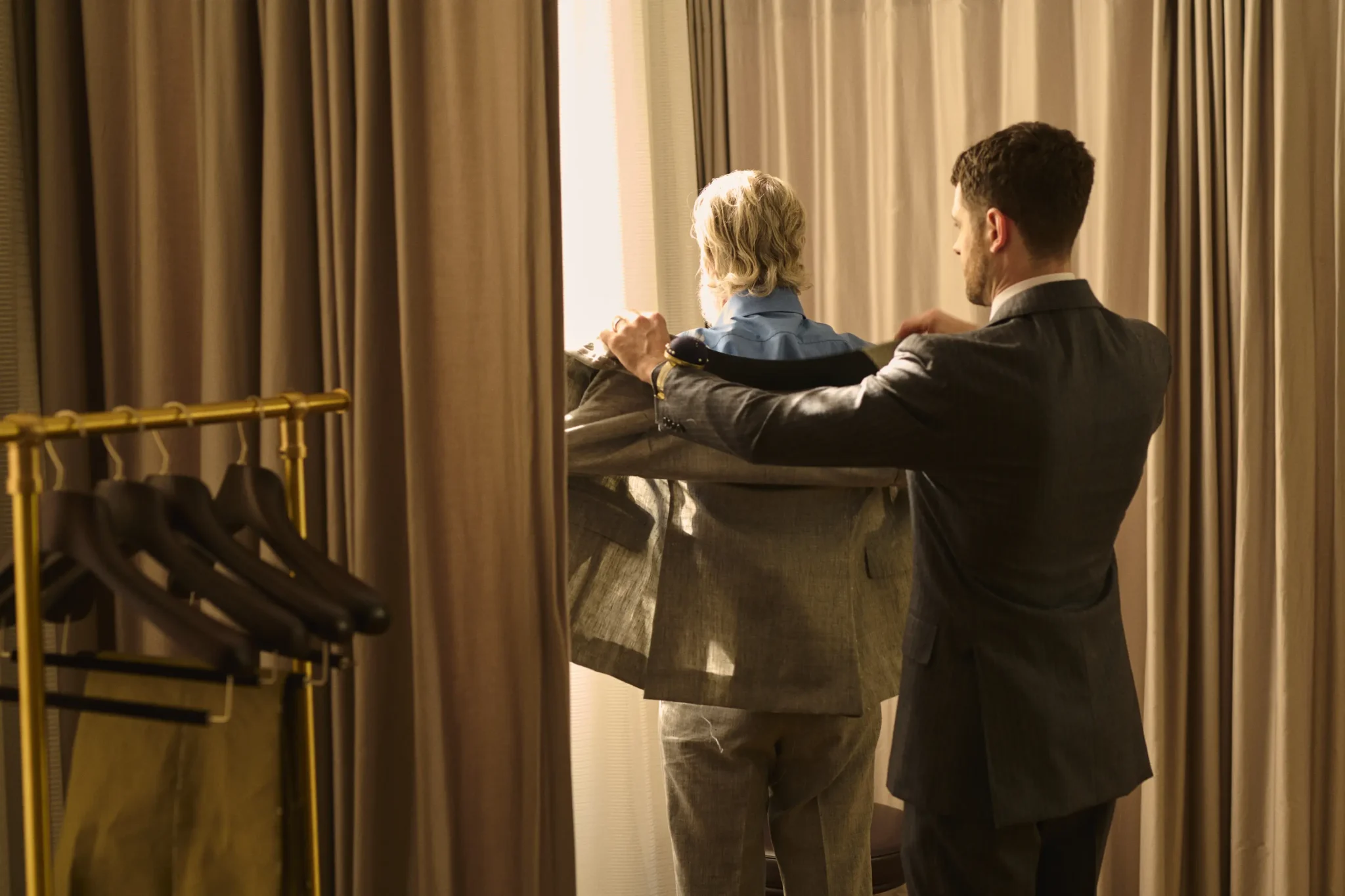
As a commission takes shape it does so in parallel with the understanding that develops between tailor and client. Bespoke requires a small leap of faith: neither the tailor nor the client has ever seen or worked on these garments before. They are one of a kind. We approach each fitting knowing it is an opportunity to earn the trust that has been placed in us, and to create something that will be with you for a lifetime.
Welcome to J.H. Cutler’s scheduling page. Please follow the prompts to arrange an appointment with John Cutler or Sam Hazelton.