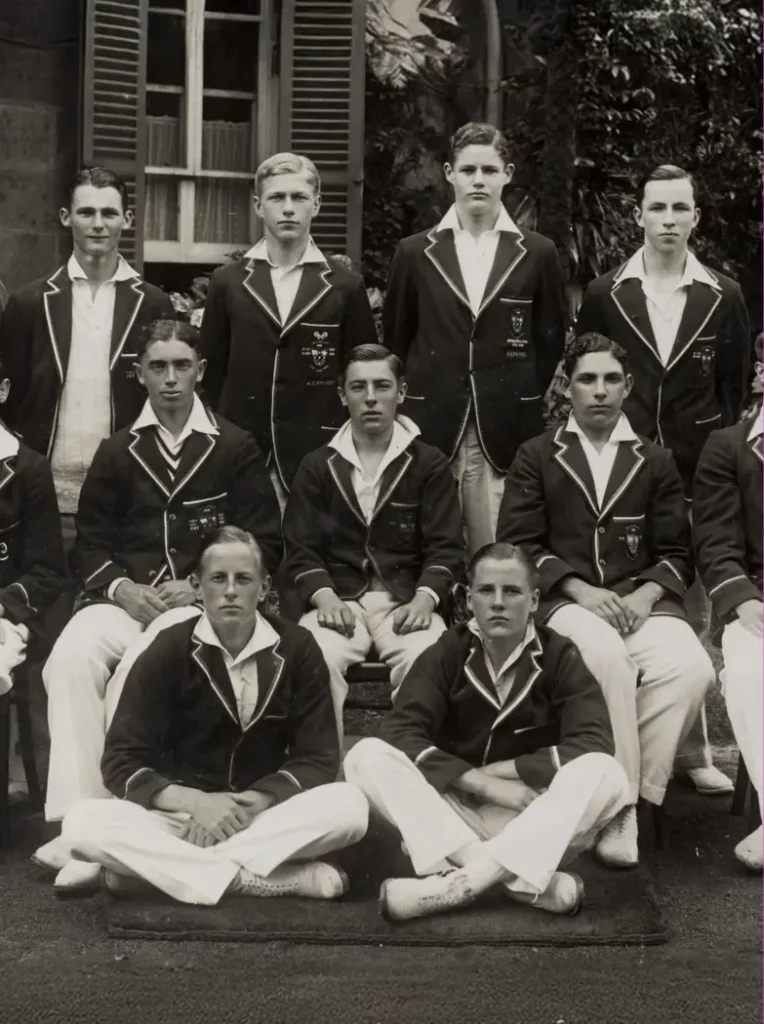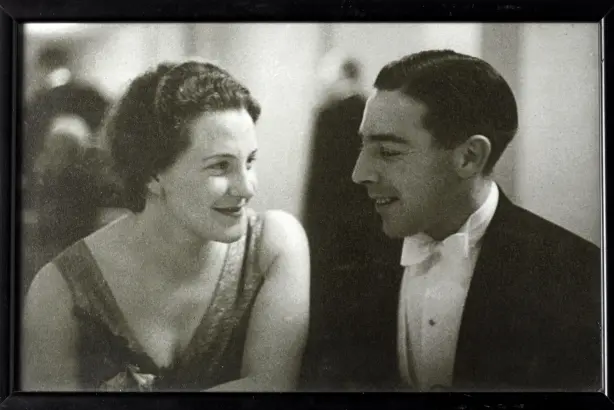
Joseph Handel Cutler arrived in Sydney in 1879 with no formal training, no family connections, and no capital beyond the skills his dressmaker mother had passed down and the certainty of a man who knew his capabilities. Within three years he was head cutter at one of the city’s leading tailoring establishments. When that employer’s life unravelled in scandal, Joseph Handel was ready. In 1884 he opened his own rooms on George Street. His mother had given him an eye and a hand. His father, an engineer, had given him a mind that understood structure and proportion. Bespoke tailoring was where those two inheritances met, a discipline that was practical and creative in equal measure, demanding both the precision of a draughtsman and the instinct of a maker. It was, for him, a natural fit in every sense. He built a clientele among Sydney’s merchants and professionals, established a relationship with the French merchant house Dormeuil Frères that the generations following him would deepen into a family tradition, and set a standard that every generation since has been measured against. He died in 1931. The business he left behind would become a family legacy.
Leslie Frederick Cutler was sent to London in his early twenties to study cloth at Dormeuil Frères, the first of three generations who would make that journey. He returned carrying what the family described as a complete appreciation for suiting, and an exacting sense of what was correct; the kind that leads a cutter to telephone a client at his club to inform him that the shoes he is wearing are the wrong colour for the suit he just delivered.
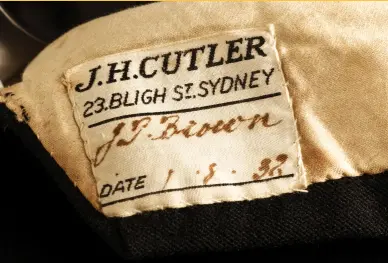
In 1932, with his father’s estate settled, Leslie purchased 7 Bligh Street. The Trustees Executors and Agency Company, who owned the neighbouring buildings, later offered him twice the price. He declined. A permanent home for J.H. Cutler was worth more than the money.
The business occupied those rooms for fifty years. In Leslie’s time, a suit cost the equivalent of three weeks’ wages. Clients were given a chair while receipts were written. A morning suit made in 1901 was still being worn, reported a Sydney newspaper, seventy-two years after delivery. Leslie Frederick Cutler understood something his grandfather had understood before him: if the work is right, it endures.
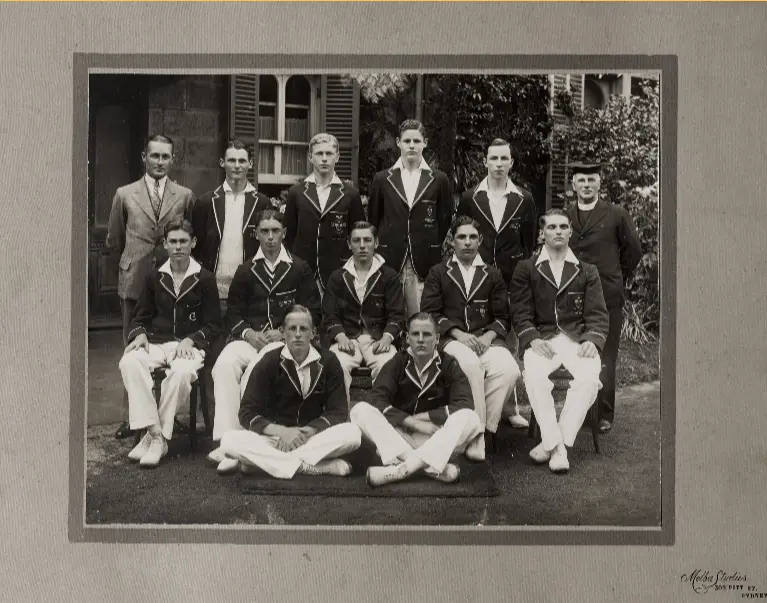
Bruce Lawson Cutler returned from three years fighting the Japanese in New Guinea, the most brutal theatre of the Second World War, to a business that needed him. He had followed communication wires through jungle as a Signals officer, written letters home to the families of fallen comrades, and come back a changed man. A thumb injury sustained before the war ended his practical career as a cutter before it even began.
What he could do was hold the line. For thirty years he did exactly that. He ran J.H. Cutler through post-war austerity, through recessions, through the disruption of ready-to-wear manufacturing that emptied tailoring houses across the city. He knew cloth, he knew clients, and he knew that the craft he could not practise himself was worth protecting.
On the day he retired in 1976, Bruce stood on the doorstep of 7 Bligh Street, turned to face the rooms, and said: “I will never put my foot in this door again uninvited and I will never discuss business unasked”, says John. He never did. Knowing when to step aside, he understood, was as important as knowing when to step up.
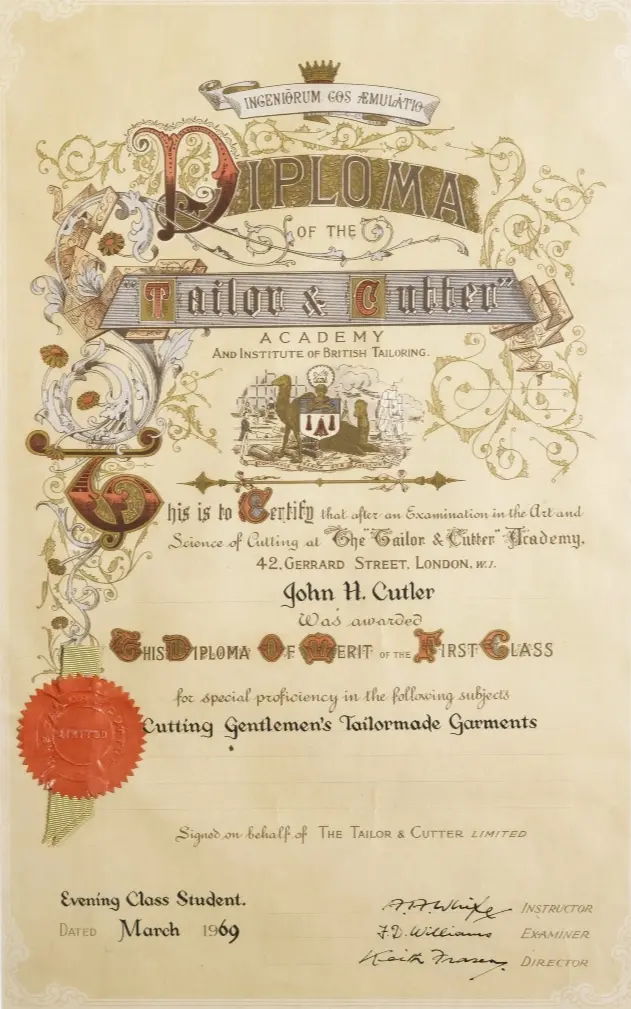
John Handel Lawson Cutler joined the business at fifteen. He had left school to do it — caught too many times making waistcoats under the desk to pretend the classroom was where he belonged. Like his father and grandfather, he was sent to London: to Dormeuil Frères, and then to the Tailor & Cutter Academy in Soho, where he graduated with a Diploma of Merit of the First Class in Cutting Gentlemen’s Tailormade Garments. He took over as head cutter at twenty-three.
What followed was four decades of building. The move to 31 Bligh Street, the rooms appointed with Persian rugs and leather chesterfields and the accumulated history of the house on its walls. An international reputation that placed J.H. Cutler in Forbes’ Top 10 Tailors in the World, and ranked it eighth globally — in the company of Savile Row’s finest. John received the Order of Australia Medal for his services to the craft. In 2010 he employed a young man named Sam Hazelton. He was, John said, young, enthusiastic, talented, and passionate about bespoke tailoring. It was exactly what the business needed.
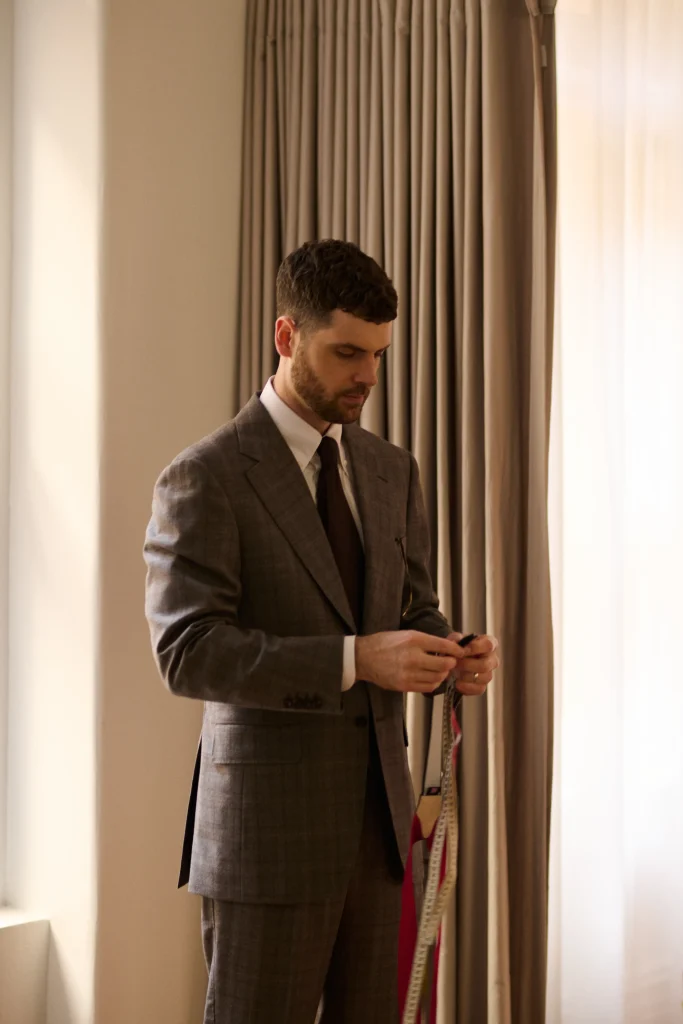
Sam Hazelton is not a Cutler by blood. He is something rarer in the story of this house: a person who arrived from outside the family, came under the spell of the craft, then spent over a decade earning the right to carry it forward.
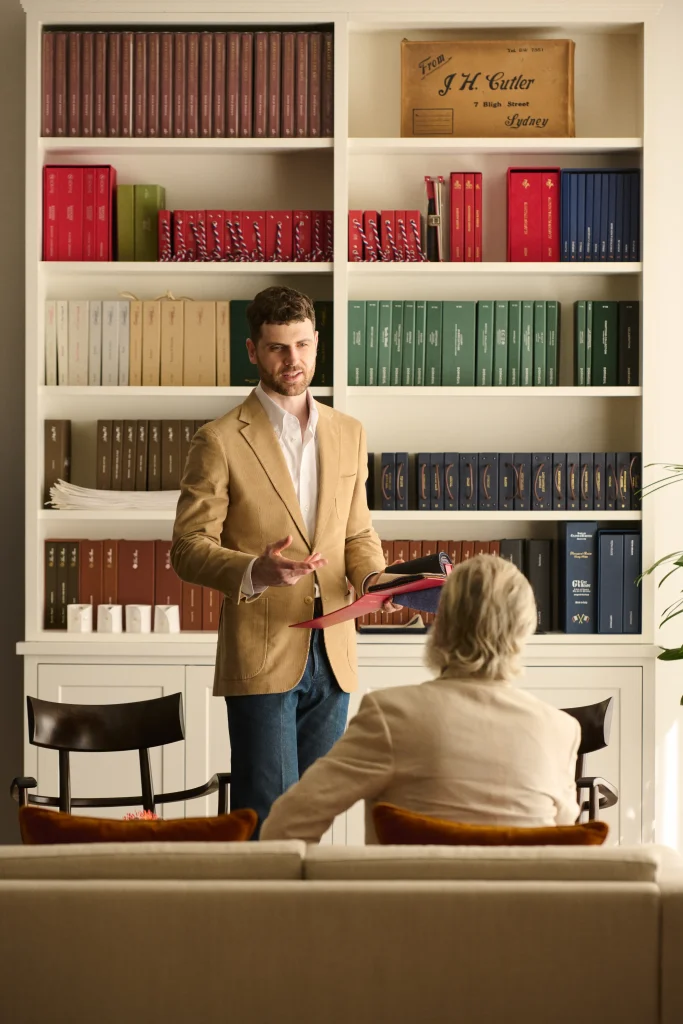
He came to J.H. Cutler in 2010, as a fashion design graduate. What began as a chance introduction to John Cutler, became a conversation which led to a commitment. Sam is the first owner outside the Cutler family in 141 years, acquiring the business from John on his retirement in 2022. It was not an inheritance, but a choice to build upon what came before.
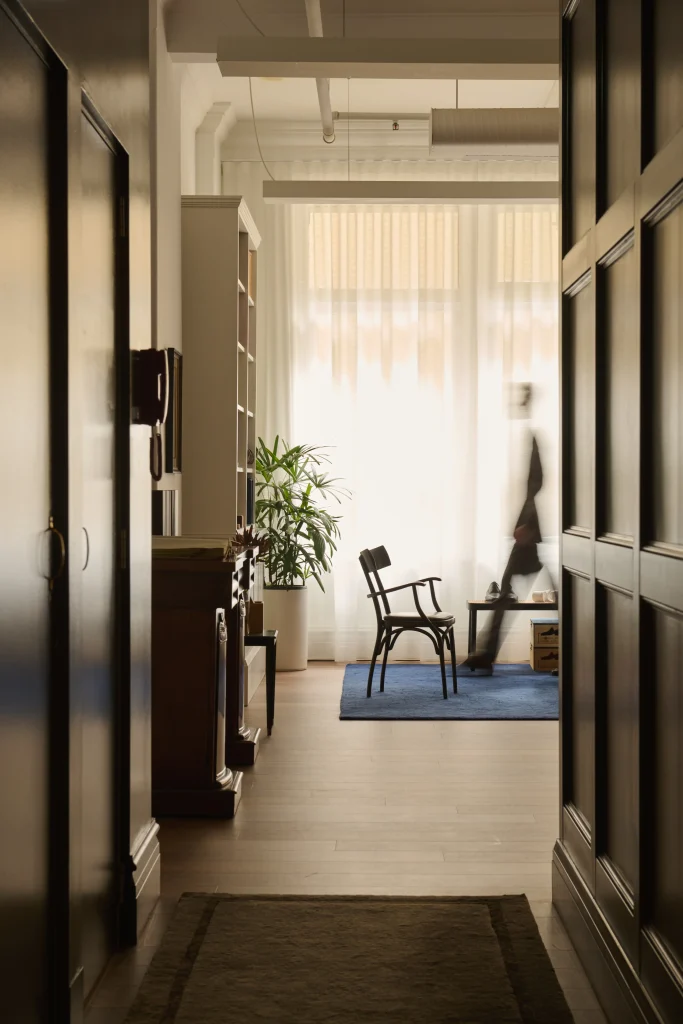
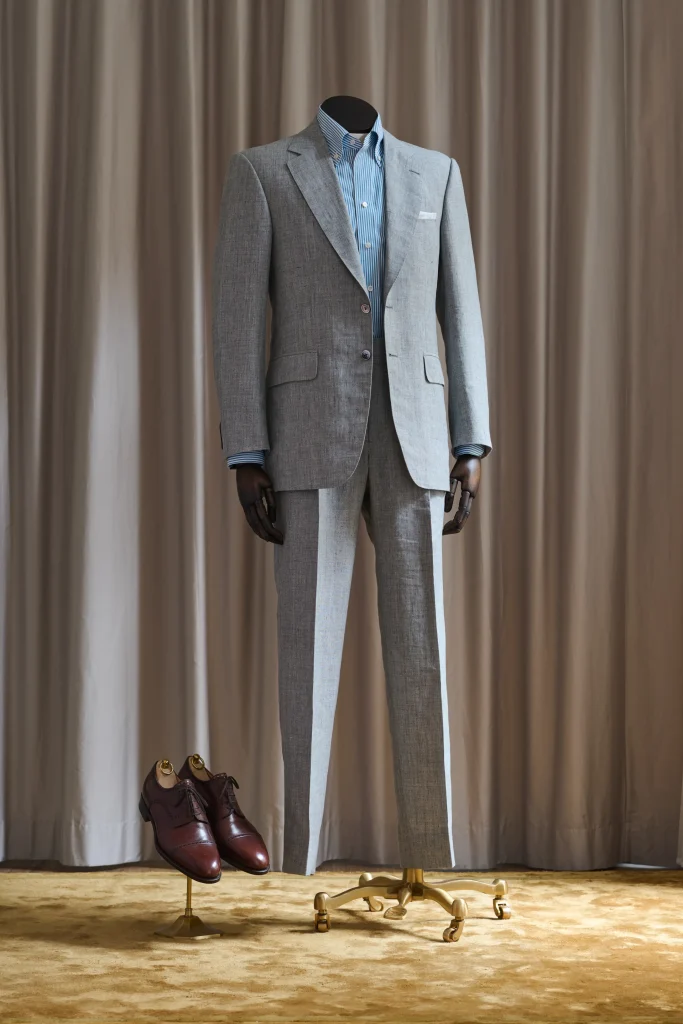
Since then, Sam has moved to a larger premises, and expanded the in-house bespoke team, bringing together craftspeople of rare depth and discipline with a shared commitment to the standards the house was built on. The ambition is not just to preserve what J.H. Cutler was, but to build on it. Further developing and modernising an already world class bespoke practice, ensuring what has survived 141 years continues to thrive and deserve its place among the finest bespoke houses in the world.
Welcome to J.H. Cutler’s scheduling page. Please follow the prompts to arrange an appointment with John Cutler or Sam Hazelton.